The Burning Girl by Claire Messud

Female friendship on fire: The Burning Girl by Claire Messud
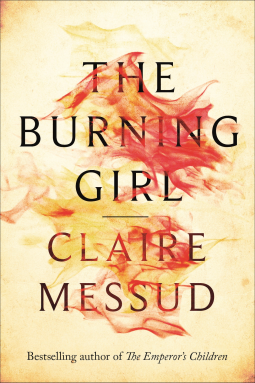
The Burning Girl is a novel about female friendship, growing up, and whether real life lives up to the stories. The narrator is Julia, a girl from a solid middle-class family, as she describes her friendship with Cassie Burnes, whose relationship with her single mother Bev is often tempestuous, especially after Bev gets a strange new boyfriend. As the pair get older they drift apart, but Julia’s penchant for imagining and creating stories doesn’t stop her thinking about what Cassie is doing, even when Cassie goes to desperate measures to find a life beyond the home that no longer feels like one.

The narrative is written with hindsight through the unreliable eyes of Julia, which makes for a strange yet distinctive style and a real awareness of the longing and loss of friendships drifting apart. At first it is difficult to see how the events will become more relevant, but after a certain point it is quite easy to work out how they will fit together. Despite this predictability, the novel captures very well a sense of growing up and being aware of the adult world in certain ways, a process that can be ominous and confusing. What Messud particularly emphasises is how Julia finds it difficult to deal with the breakdown of her friendship with Cassie—a girl she claims to know better than Cassie knows herself—and the intensity of still knowing all about somebody that you are no longer close to.

The Burning Girl has some captivating moments and a cleverly ambiguous ending reflecting the messages of the book. It can take a little while to get into, but is a novel that can be enjoyed by both adults and older teenagers for its careful evocation of a relatable feeling of lost friendship and imagination.
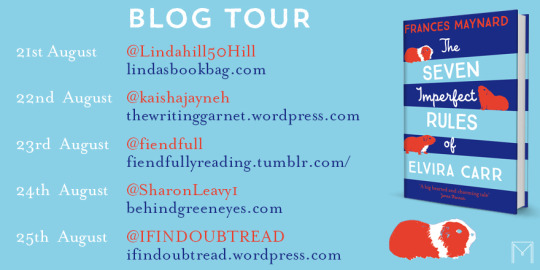
Blog Tour: The Seven Imperfect Rules of Elvira Carr by Frances Maynard

#MeetElviraCarr

Today I’m hosting the blog tour for The Seven Imperfect Rules of Elvira Carr by Frances Maynard. Check out my review below and the other dates on the tour for more Elvira Carr content!

The Seven Imperfect Rules of Elvira Carr is a memorable and touching novel about being neuroatypical and having to adjust to the unpredictability of life. Elvira is twenty-seven and lives with her mother since her father—who was often away on trips—passed away. She has a “Condition” and her mother has a number of rules to keep Elvira safe. But when her mother has a stroke and has to go into a care home, Elvira has to make her own rules and find ways to navigate the world whilst uncovering the secrets of her father’s past and making new friends, both animal and human.

The narrative is similar to the recent novel Eleanor Oliphant is Completely Fine in the way it follows the experiences of a narrator with a specific worldview as they must find ways to go beyond their usual boundaries, drawing the reader into their viewpoints through first person narration and the character’s rationality. Unlike Eleanor Oliphant, however, Maynard specifically focuses on autism and the way in which Elvira is treated by others is a major theme in the book.

Elvira is an endearing narrator, who wants to be good to those around her and knows she must try and understand how the “NormalTypicals” interact if she is to get along with them. Despite the focus on her rules, the book tries to highlight that she does not need to change who she is, just understand other people can be different to her and may need different considerations. Unlike the maths genius autistic stereotype often played out in the media, her special interests are biscuits and animals and she is good at being organised, though her mother did not always allow her to do this herself. The point at which Elvira discovers she can talk online with other autistic women who share her experiences is one of its most memorable points, showing the importance of sharing stories and giving everyone the chance to realise they are not alone.

The Seven Imperfect Rules of Elvira Carr is an important novel and a great read, with elements of mystery, discovering friendship, and working out how to be independent in the world. It depicts elements of neuroatypicality, particularly in women, not always shown in popular culture, whilst also being a story about a character discovering the secrets about their parents once grown up.

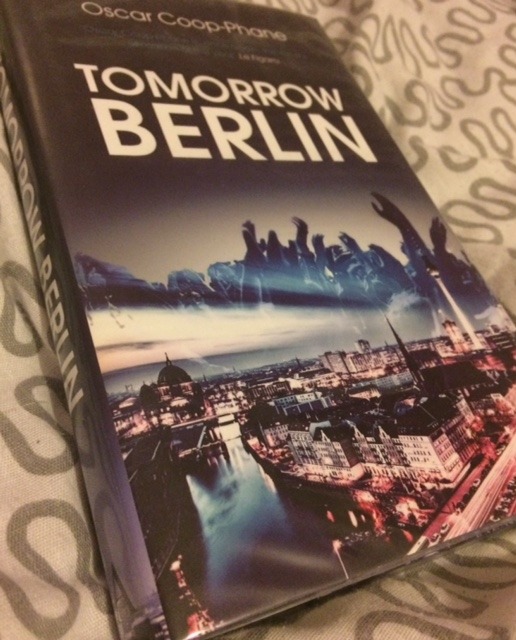
Tomorrow Berlin by Oscar Coop-Phane

Countdown to the future: Tomorrow Berlin by Oscar Coop-Phane

Tomorrow Berlin is a short, sharp novel about young men struggling to find a future in a city’s underbelly. It follows Tobias, Armand, and Franz, who all end up in Berlin thanks to the ups and downs of life. Once there, they can dance the entire weekend away in the city’s famous clubs, fuelling themselves with drugs and desperation. No matter what happens, though, the downward spiral looms over all three of them.

Translated from French, the novel has a distinctive feel and a snappy pace, moving between the stories of the three characters as the narrative shows them growing up and ending up in Berlin. Once there, the book has a combination of landmarks and U-Bahn stations, detailed descriptions of going into the infamous club Berghain, and references to things like a Club Mate bottle that evoke the city in a minimalistic way. However much it is a story of Berlin, however, it is also a story of the grimy side of many cities, the worlds of drugs and sex and living outside of a seemingly respectable normality. These are not characters who necessarily looked for the path, but it is the one that found them. As the novel says, “the unfortunate ones are punished because they don’t know how to cope with their lives.”

Tomorrow Berlin is a fast-paced journey into the dark heart of a city, built around lost characters and their interactions in a way similar to other novels about the seedy life of cities. Its combination of drugs, clubbing, and a low-key narrative may not appeal to everyone, but it is a stylish read with a melancholy edge and a picture of a city at its centre.

Strange Anticipation: what to do whilst waiting for Stranger Things season 2

I have to admit, I can’t stop watching the Stranger Things season 2 trailer. There’s something about the use of ‘Thriller’ mixed with the Stranger Things theme tune and the way it builds excitement that makes me want to watch it again and again. In the meantime, however, I’ve compiled some books and other things (not just books!) to get people feeling that eighties creepy sci-fi horror vibe.

Things to read/watch/listen to before October 31st:

  • Top of the list has to be something by Stephen King. It is the obvious choice seeing as there’s a new film version out soon and it is about a group of kids chasing something dangerous,  but the book is also incredibly long and very, very weird in parts. Instead, try Firestarter (for Eleven), Cujo (tense and scary), or Insomnia (small town vibe, plus the Fates).
  • The Book of Luce by L. R. Fredericks features MK ULTRA type experimentation, just like in Stranger Things, and also some messiah rock star stuff.
  • Watch The Lost Boys for the 80s trash fun horror thing, particularly after seeing the shots of a teenager party in the Stranger Things trailer.
  • Put on the ‘San Junipero’ episode of Black Mirror for 80s aesthetic sci-fi and similarly relevant use of 80s songs matching up to the story.
  • Listen to this mini Stranger Things playlist I’ve just compiled from my collection of 80s tracks: ‘She’s In Parties’ – Bauhaus; ‘Somebody’s Watching Me’ – Rockwell; ‘Disappear’ – INXS; ‘Subculture’ – New Order;  ‘A Forest’ – The Cure; ‘The Killing Moon’ – Echo & the Bunnymen; ‘Disorder’ – Joy Division; ’Other Voices’ – The Cure; ‘For Whom The Bell Tolls’ – Metallica.

The Word Is Murder by Anthony Horowitz

Metafictional crime writer drawn into real crime: The Word is Murder by Anthony Horowitz

image

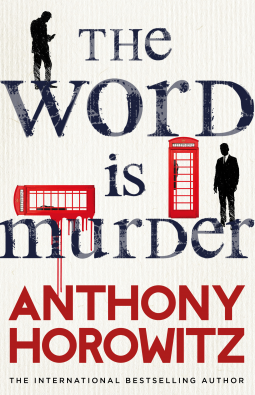
The Word is Murder is a whodunnit thriller with a metafictional twist from the acclaimed author of Alex Rider and a variety of crime and thriller stories. A former police detective draws a writer into the case of a woman who walked into an undertakers and planned her own funeral only hours before she was murdered. The deal is, the case is written about by the writer and the profits split 50/50. Before they can worry about that, however, they have to solve the case, following a trial of clues that lead around theatrical celebrity and an old car accident. The thing is, the writer is Anthony Horowitz, and he’s never wanted to get involved with a real crime before.

Horowitz has already written Sherlock Holmes and James Bond stories, proving that he can take other people’s characters and fit them into his own books, but in this novel he takes himself, his own writing life, and plenty of other real life details and turns them into a self-aware detective story. After the initial chapter that describes the murder, it becomes quickly apparent that the narrator is Anthony Horowitz, following in a writing tradition of fictionalising yourself and your own life (not dissimilar to Bret Easton Ellis’ Lunar Park, though that gets a lot weirder by the end). The narrator is unreliable from the start, describing the process of gathering information, deciding what makes it into the book, and cutting out things from endless expletives to boring and unnecessary detail.

The detective character, a former policeman turned consultant for both investigations and the writing of crime drama, is set up not so much through his personality, but by how difficult it is to make him a likable character. Other elements, such as the famous young actor whose roles are a mash-up of the big names from British acting in recent years, add to the meta quality, keeping a vague sense that this could almost not be fiction. These quirks give The Word Is Murder a fresh feel, though it still has a complicated whodunnit plot to keep it gripping too.

Horowitz has created a novel where he plays a modern day Watson, a crime writer caught up in a real investigation and making a few faux pas along the way. Maybe the conceit will seem unnecessary to some, but The Word Is Murder will undoubtedly exhilarate not only crime and Horowitz fans, but anyone who enjoys the sense of metafiction and fourth wall breaking found in books by authors like Lemony Snicket, Bret Easton Ellis, and Martin Amis amongst others.

Blog tour: The Book of Luce by L. R. Fredericks

The Book of Luce by L. R. Fredericks

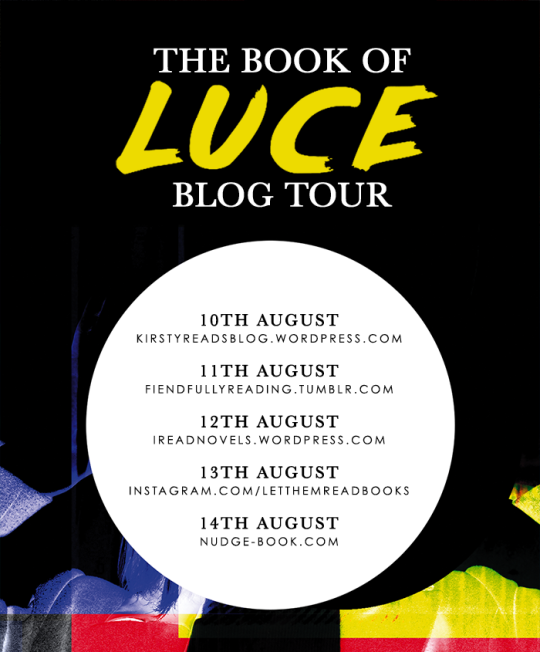
Today I’m hosting the Book of Luce blog tour here on my blog, so here’s my review, and check below for the other dates on the tour!

image

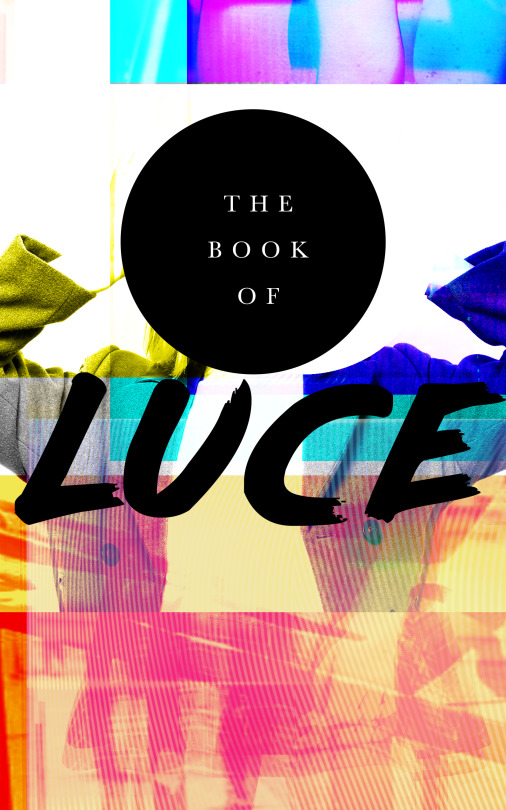
The Book of Luce is a mysterious novel, filled with questions and uncertainties, as the identity of a godlike rock star and artist is unfurled by someone closely tied into their story. The narrator and metafictional author is known only by the pseudonym Chimera Obscura, and is attempting to tell the truth of Luce, a messianic figure who did legendary secret gigs as part of Luce and the Photons. Luce is genderless, maybe beyond human, a wanderer. Uncovering the secrets surrounding Luce seems to draw anyone into a dangerous game of dark agents and conspiracies. Regardless, this is the book to try and explain Luce to the world.

Fredericks has combined an intricate web of ingredients—rock music, art, mythology, religion, philosophy, LSD, demonology—to create an unusual and strangely intriguing novel, a kind of literary mystery that somehow can be reminiscent of House of Leaves, David Bowie, and Stranger Things amongst other things. The meta-book structure works well to frame the narrator’s quest and to leave many things unexplained, with a notably elusive narrator withholding information despite the claim to be uncovering the truth. It is long, but moves between so many episodes that it doesn’t really drag, and is broken up with short snippets from the narrator in the present day writing the book about Luce, giving further tiny clues as to where the Luce narrative is going.

The story starts in 1967 and there is plenty of Sixties and early Seventies culture infused into the novel, with plenty of acid taking, looking for hallucinogenic meaning, and conspiracy, but really the Sixties rock star element is only one part of this epic novel. It moves around the globe and through different art forms, identities, and philosophies as the narrator tracks different characters, under various names and personas. The mystery at the heart of the novel—who is Luce really—is also its meaning, and readers can take as many interpretations of this question as is said the various characters do. The overall effect is a kind of counterculture metafictional journey with a dangerous, almost thriller-like atmosphere at times, and a fourth-wall-breaking literary puzzle feel at others.

The Book of Luce is a clever and impressive novel, a drug-infused meta story that never wants to reveal too much or make definitive judgements or even descriptions. This style and story will not appeal to everyone (particularly the ambiguity of much of the book may annoy some), but certainly anyone who likes metafictional puzzles or acid trip conspiracy mixed with philosophy will find something interesting about the novel, which questions the need for definites whilst building up a mythology of its own.

image

The Reminders by Val Emmich

Remembering everything and nothing: The Reminders by Val Emmich

image

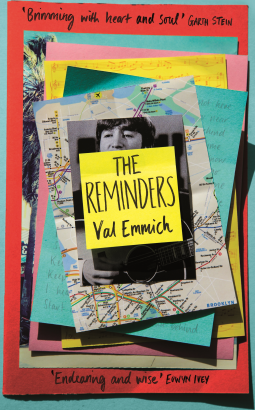
The Reminders is a heart-warming novel about grief, friendship, and memory, with a quirkiness that stops it being too sweet. Gavin is trying to deal with the death of his boyfriend Sydney, but when that process ends up with him setting fire to every reminder of Sydney in their home, Gavin realises he must try something else. He ends up travelling from LA to New Jersey to stay with friends and their ten-year-old daughter Joan, who has a rare condition meaning she can remember every detail from her life. With Joan, he can uncover memories of Sydney, whilst she ropes him into helping her write a song for a competition because she never wants to be forgotten.

The real heart of the novel is the way in which Gavin and Joan bond and help one another to deal with their own problems and goals. Each chapter alternates between the respective points of view, giving Joan’s distinctive powers of recall and worldview mixed with Gavin’s grief and attempts to remember what feels too painful to recall. Though it is a happy novel, Emmich shies away from making things too sickly, instead making characters face reality and learn from it. Music is constant throughout the novel and Joan’s obsession with songs and creating her song add a quirky creativity to the narrative.

The Reminders is a great light read with a sad undercurrent, a tale of trying to deal with a partner dying and of how unlikely people can help you out more than expected. It is a charming book that will probably appeal to fans of books like Lily and the Octopus.

The Golden House by Salman Rushdie

The rise and fall of one family: The Golden House by Salman Rushdie

image

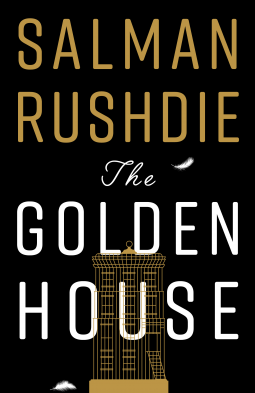
The Golden House is a relevant and highly referential novel that charts the recent years of American culture and politics through the story of an immigrant real estate tycoon. Nero Golden moves to New York from Mumbai with his three grown up sons, where they are watched and befriended by their neighbour René, an aspiring filmmaker. René narrates the novel and charts the fall of the house of Golden, set against the years of the Obama presidency and the recent US election.

Rushdie writes in a captivating style from the outset, with a mysterious narrator who has a degree of self-consciousness about his own growing involvement in the story he is telling. The conceit of René being a filmmaker who slips into writing in a film script structure at times and who deviates from the narrative by discussing and comparing events to classic cinema works well to give the novel a sense of truth and fiction, an invented narrative suffused with real life events and popular culture references. Literary references are used more sparingly, but the narrator slips in Eliot’s Prufrock and various other quotation at times. The combination of these references with key elements of recent culture from gamergate to prejudice surrounding gender identity creates a novel that is very much situated in the modern world, whilst self-consciously telling a story.

The narratorial coyness surrounding real political events—a certain president’s rise, for example, is depicting though not in so many words—has a faintly smug feel, but this serves as part of the enjoyment too. The style is distinctive and will be a hit with anyone who likes highly referential prose with a degree of self-awareness. The narrative is gripping, with the story moving between Nero, his three sons, and the narrator René, and with a tendency to foreshadow that isn’t too obtrusive. Near the end there is a fair amount of exposition that can get a little slow, but otherwise the pacing is good and the story an interesting mix of drama, gangsters, identity, and lies.

In The Golden House, Rushdie has clearly written a novel for the Trump era, for the internet age of trolls, and for the mix of the old and the new. There is something about the book, particularly in its style and narration, that draws the reader in, even whilst it celebrates its own clever references. It is about reinvention and transformation, and about media for telling stories. Rushdie has captured at least some element of the modern day and it is worth reading.

My Absolute Darling by Gabriel Tallent

Terrifying and masterful: My Absolute Darling by Gabriel Tallent

image

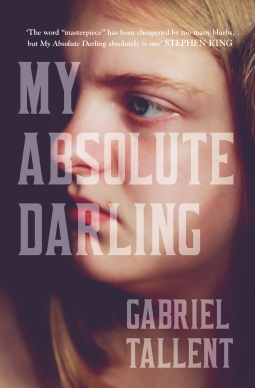
My Absolute Darling is a dark and unputdownable novel about a terrifying situation and mindset forced onto a teenage girl and her battle to escape this life she is so used to. Turtle is a fourteen-year-old who lives with her father in a house filled with guns and supplies for the apocalypse he believes will be inevitable. He tells her how much he loves her, but she has never known a friend and is trapped by his creed and rules. The time comes for Turtle to fight to survive and to learn to escape from all she has ever known.

Tallent writes with a distinctively detailed style that carefully captures the ordered world in which Turtle lives and depicts her unnerving mindset as someone who has grown up knowing love and pain deeply entwined. She is a compelling character: heartbreaking in her internalised hatred and her difficulty relating to anyone, clearly intelligent and adaptable, and hard to forget once the book is put down. The narrative unfolds with tension, closely focusing on an event or occasion then jumping forward in a tightly paced manner.

The paranoia of her monstrous father is contrasted with the hippy attitudes of other locals, showing the difference between a distrust of The Man and an all-consuming belief in protecting someone who is actually being deeply scarred in those attempts. Apart from a few references by other characters, it is easy to forget the modern setting of the novel, which both gives it a timeless feel and shows Turtle’s disconnect from the world. Altogether, the writing style and seeing it all from Turtle’s perspective makes the reader feel unnerved and trapped, really getting across the horror of what is going on despite it not being described in a hysterical way.

To read the novel is to be horrified at times and to wish it was possible to reach into the narrative and make things better, in a similar way to books like Yanagihara’s A Little Life. Tallent creates a paranoid and abusive world that can be difficult to read at times, but also can be uplifting and gives a voice to a character who so often keeps to virtual silence.