
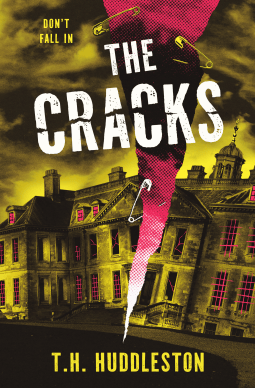
The Cracks is a gothic horror novel about an English stately home with its own secrets, working to uphold tradition in the modern day. Sandra’s a recently widowed ex-punk without a job and about to lose her home when her old university friend Gerry offers her a sanctuary in the form of staying with them in his wife’s family manor in the countryside. At first, Sandra thinks she can use this as a chance to rebuild her life, but the longer she spends there, the more strange things happen, sinister accidents and figures in mirrors, and it seems that Hautmond Hall has its own ideas about what Sandra should do.
This book is a classic ‘haunted building makes people act in certain roles’ story, using gothic horror to explore the British class system (as gothic horror often does). Like the fictional punk song at its centre, this is not a subtle book. The history of the house and its family is cartoonishly evil, hitting all the expected horrible landed gentry notes, and Sandra’s friendship with Gerry is a take on the Brideshead-esque class difference between university friends.
The narrative starts as a slow burn, with the gothic trope of Sandra thinking she’s going mad with some of the things happening, and then builds to a bloody conclusion. I like the attempt to combine old manor house gothic horror with punk rock, though the story does end up very predictable, and the punk ethos perhaps didn’t quite get enough space to shine or make the book feel very different to other horror stories with old houses wanting to keep people acting in certain ways.
The Cracks is a fun take on punk gothic horror that is perhaps most for people who are like Sandra and her late husband: those whose punk ideals (or former punk ideals) sometimes brush up against being friends with people with other backgrounds and political views. I didn’t find it as funny as it was marketed as being (it isn’t quite as quirky and high concept as Grady Hendrix and Rachel Harrison, whose work this was compared to), but I appreciate the use of gothic tropes alongside punk ideas.


You must be logged in to post a comment.