
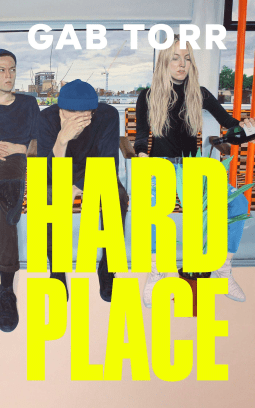
Hard Place is a novel about queer community, trauma, and hypocrisy, as a woman joins a new house share. Billy was used to everything being decided by her controlling girlfriend, Rose, but when they break up, she finds herself in a new type of situation: a queer house share. Rhoda and Sid have community guidelines for the house, a book group of friends that Billy can’t help but judge, and want everything to be communal and discussed. But whilst Billy mocks them in her head, she also starts to realise that she does need to explore her own boundaries and her past.
This is a layered book that both satirises a certain kind of queer roommate situation and also is a sometimes surprisingly dark look at one person’s traumatic past and how that might cause them to be a messy person who makes bad choices. Hard Place is one of those books where you initially can’t work out exactly where the lines between satire and sincerity will lie, and even as the book goes on, it feels like Torr doesn’t quite want you to know that. Instead, there’s a lot of details that feel biting, but also it does seem like Billy does sometimes benefit from the sincere-to-the-point-of-ridiculous care from her housemates.
The ending is a fascinating choice, one that almost makes you wince but also wonder what it means for the characters, especially as they don’t really go through the kind of character development that the blurb suggested. There’s perhaps not as deep a biting commentary as the book goes on, and elements like Rhoda’s parents actually owning the house they live in are a horribly true representation of many people in London, but none of the characters really delve into what it means (though the ending feels like it does comment on it on a reader level).
Hard Place is a fascinating novel to me, as a literary fiction take on often exaggerated queer drama and very real trauma that skirts between satire and sincerity.


You must be logged in to post a comment.