
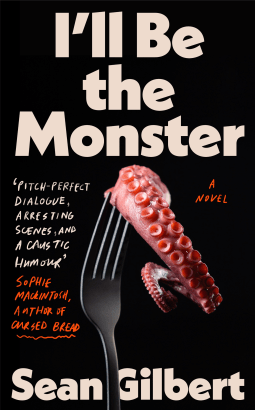
I’ll Be the Monster is a novel about a murderous couple on holiday who run into an old university friend and rehash the past. A couple who met at Cambridge are now trying to keep their marriage alive through a luxurious holiday, but a few days in, they run into Benny, who they know from those days. What follows is a tortuous game between them all, with secrets lurking underneath.
This book is a distinctively written story that is gripping, but doesn’t really get as dark as you might expect it to be. Much of the narrative is written from the second-person perspective of the husband, addressing his wife, and this creates an unreliable narrator through a lens that puts the reader at a remove from the action, which works well for this couple who you never really learn that much about. There are also chapters from the Cambridge days that show things from the wife’s and Benny’s perspectives to give a bit more backstory, and I welcomed these sections as they delve a bit further into the incident that they’re mostly thinking about in the novel. Otherwise, the story is a lot of interactions and paranoia without much actually revealed about anyone, making it at times more of a vibe. It is fascinating how much the book skirts around the couple’s actual actions at any point and I do feel conflicted about how much I liked that fact about it, but it is certainly an interesting choice.
I’ll Be the Monster is readable literary fiction that slowly draws you in and then toys with you, without offering too many definitive answers about the present day of the book. At times I wish it lingered more on the darker elements and the imagery of them—especially the central opening image of someone floating on a punt down the river—but I liked how excruciating the couple’s relationship with Benny and each other was as they navigated what him being there meant to them. I do think it is one of the many books that would benefit from not being compared to The Secret History, as I think some people have compared it to, as I think that misrepresents the narrative and focus of the book.
 Fiendfully Reading
You must be logged in to post a comment.