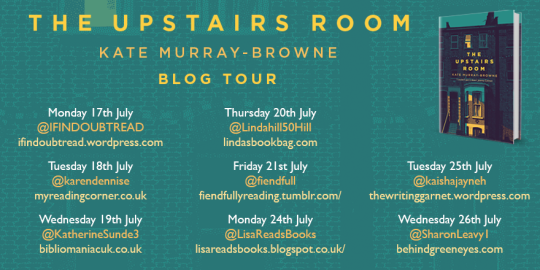
Blog tour: The Upstairs Room

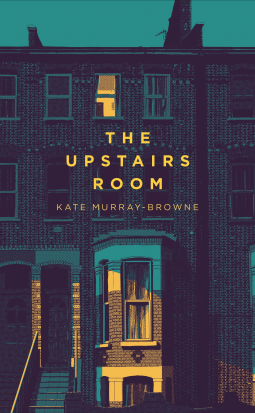
The Upstairs Room by Kate Murray-Browne

The Upstairs Room is both a tense mystery and a gripping novel about happiness and knowing when something isn’t working. When Eleanor and Richard move to a Victorian house in London Fields with their two young daughters, it is meant to be a great opportunity for them, even though the cost of potential renovations mean they have to take a lodger, the at-a-loose-end Zoe. Eleanor quickly thinks there is something wrong with the house, something connected with the mysterious wall scribblings in the upstairs room done by an ‘Emily’.

The novel is a character-driven mystery, focusing on the lives of Eleanor, Richard, and Zoe and their discontentments both in and outside of the house. That doesn’t mean that Murray-Browne does not keep up the tension, with eerie moments and an unnerving combination of obvious and unexplainable mysteries throughout. Problems like a lack of communication and the perils of the London housing market exacerbate issues as they attempt to live in the house that Eleanor comes to believe doesn’t want her there. The style is easy to devour and the combination of characters and ambiguous mystery make it a good book to sit down with and be drawn into.

In some ways, The Upstairs Room is like a slow burn horror film, the kind focused on the happiness and lives of the characters as much as the potential mystery and threat, or The Shining rewritten for the modern London housing crisis. It will also appeal to anyone who enjoys reading about character relationships and life uncertainty, with a background mystery plot and not too much overt revelation, but rather an understated approach to the genre.

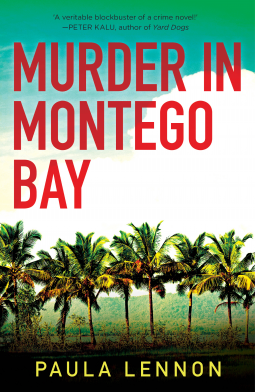
Murder in Montego Bay by Paula Lennon

Murder in Montego Bay by Paula Lennon

image

Murder in Montego Bay is a police procedural crime novel set in Jamaica, featuring an unlikely partnership and a fight to solve the case despite funding issues and inside involvement. When the son of a prominent entrepreneur family is found killed, Detective Preddy wants to solve the case and prove he’s better than the failures that haunt his past. To do so, however, the Jamaican detective will have to work with Glaswegian Harris, seconded into their force and sticking out like a sore, ginger thumb. The pair, plus female colleagues Spence and Rabino, must hunt through lies and cover-up to find out what was really going on with the family and whether local criminal types were involved.

Lennon’s novel is a solid crime story focused on the police difficulties and the quirks of solving a murder in Jamaica. The story is mostly told from Preddy’s point of view, showing his personal struggles at work and at home, but cuts to other characters to give key scenes and information to the reader. The dialogue is stellar, with Jamaican patois and moments of Glaswegian dialect to show characters’ similarities, differences, and ability to fit into different situations, and giving the novel a realistic feel by showing the varying voices of characters.

This is an enjoyable read, perfect for crime fiction fans and people who like the use of dialect and regional language to create realistic characters. The issues of police funding, racial differences and tension in Montego Bay, and police reputation and brutality form the backdrop to the novel alongside the sunny location. It is a police crime novel with social issues and a message that even the rich won’t stop wanting more.

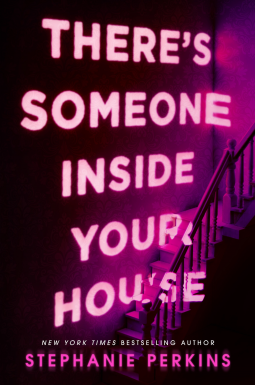
There’s Someone Inside Your House by Stephanie Perkins

Is there somebody lurking inside your home?: There’s Someone Inside Your House by Stephanie Perkins

image

There’s Someone Inside Your House is a young adult thriller that makes for an exhilarating read. Makani Young moved from her Hawaiian home to her grandma’s house in small town Nebraska, escaping her parents’ divorce and her own secrets. After a year, she has two best friends—a Goth girl and a trans guy—and a crush on a school loner, though she still misses Hawaiian food and the sea. Her senior year is not going to be quiet, though, as students in her high school start to be the victims of gruesome murders. Soon, Makani has to balance the fear of who will be next with her own past, her fledgling romance, and looking after her grandmother.

Perkins’ novel is very recognisable as a YA thriller/horror book, with a classic combination of school cliques, town rumours and secrets, and teenage drama alongside narrative threat. Makani is a stand-out protagonist, a biracial girl far from home who is dealing with issues from her past and how out of place she feels in her new town. Her friends are also outsiders, but though the book uses teen cliques and popularity contests, it also emphasises that people can be better than they seem, regardless of social status. The inclusion of small elements such as internet trolling and rural internet and phone signal stop the location from feeling backward, but instead just another town that teenagers dream of leaving.

The novel is a page turner that will be enjoyable to adults who remember devouring Point Horror novels as well as teenagers. The characters are varied and likeable and the book does not shy away from real danger and high stakes amidst teenage rebellion and small town life.

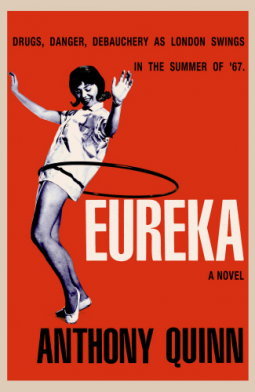
Eureka by Anthony Quinn

Acid trips and revelations: Eureka by Anthony Quinn

image

Eureka investigates an elusiveness about art whilst also being a Sixties caper. It follows the making of a new film by German director Reiner Werther Kloss: a very loose adaptation of a Henry James story being written by man-about-town screenwriter Nat Fane, a man who likes an exciting life more than getting work done. The film features fledgling actress Billie Cantrip, whose introduction to the world of cinema is not quite as she expected, with mystery, acid trips, fire, and many, many secrets featuring as the film ‘Eureka’ is slowly made.  The bustle of art, music, and gangsters in London in 1967 forms the backdrop for the book, which somehow balances the fun and danger of the period with meditations about obsession, artistic creation, and the hunt for real meaning.

Quinn gives all of the main characters extensive backgrounds and moves between focuses on them to weave together a long story, though the narrative doesn’t take place over more than a summer. Intercut between the chapters are snippets of the screenplay for the film that Fane is writing within the narrative, revealing the secrets of the film as the tension in the story rises. This technique gives good freedom for Quinn to counterpoint ideas about art and love in one story with another, and also to break up one narrative with another. This means that the book doesn’t feel as long as it might, and it stays gripping throughout with enjoyable characters and some surprisingly intriguing strands of plot.

As is discovered in the film being made, art should not give all the answers, and Quinn does not, giving his ending enough ambiguity to follow through with this message about the questioning of meaning. Eureka is a literary caper that delves into obsession with art and refuses to give definite answers to many of its major questions.

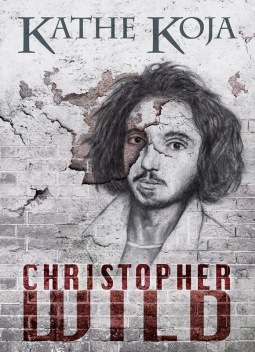
Christopher Wild by Kathe Koja

Kit Marlowe, three times over: Christopher Wild by Kathe Koja

image

Christopher Wild is an imaginative historical novel, a menacing dystopia, and a grimy city tale in one. It tells a raucous life, a claustrophobic life, a poet’s life, three times over: the trajectory of Elizabethan poet Christopher Marlowe in his historical setting and beyond. The first third is Marlowe as he faces danger from the Service for his role as an intelligencer, his famous plays, and his infamous pronouncements about religion and beyond. The second part is a twentieth-century tale of a gritty poet’s life, tied up in gay bars and covert investigation. The final section is a near-future dystopia of intense surveillance, where the poet known as X04 is fighting for his freedom.

Koja’s book puts an unusual spin on a historical figure who has been the focus of plenty of written works previously, from conspiracy theory novels claiming that Marlowe wrote Shakespeare’s works  to Burgess’ delightfully playful A Dead Man in Deptford. The first section reads like another in this line, the fan fiction about the outrageous life of an apparent gay atheist spy turned poet and playwright from the late sixteenth-century. The fast-paced prose hurtles forward and the references are piled in, meaning that it can feel like a whistle-stop tour of every mention that needs to be made about Marlowe’s life. For fans of him and novels about him, this feels a bit too obvious, but the references are necessary for less knowledgable readers to be able to appreciate the later two parts.

The remaining two thirds of the novel tell two other stories, other outspoken Christophers who also write poetry, fight the authorities, and sleep with a complicated tangle of men. Koja takes advantage of the looseness of Elizabethan spelling to create new versions and echoes of characters and scenarios in a way that will probably delight some and annoy others. Every version reads Ovid and Lucan (the real Marlowe translated works by both of them), smokes tobacco (as per the infamous ‘all who love not tobacco and boys are fools’ line from Richard Baines’ list of accusations), and writes poetry. The prose style that captures a tumultuous Elizabethan London doesn’t slow down, and whilst it is slightly less effective in the later sections, it allows for a poetic style and an overlaying of words that matches the way the narrative and characters are overtly replicated.

This kind of transformative work is nothing new (and indeed there are plenty of examples in literature and on the internet of people doing similar not only with Marlowe, but with a whole range of historical figures), but Koja’s combination of the settings does feel fresh, particularly the final scenario in which the dark web and digital surveillance give a new meaning to the spy-intelligence-based drama of Marlowe’s probable life. Marlowe fans are likely to enjoy the ride, even if some of the ideas (like that he was forced into writing a new play about the secret service that led to his death) are somewhat out there. As novels, TV shows, and films about Shakespeare continue to proliferate (and often reduce Marlowe to a bit part), it is always good to see more attempts to present elements of Marlowe’s life in new fictional ways.

[And in case you missed it, here’s the drinking game I invented whilst reading this book.]

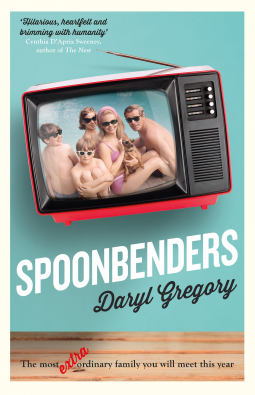
Spoonbenders by Daryl Gregory

Tricks of the mind: Spoonbenders by Daryl Gregory

image

Spoonbenders is a quirky and amusing novel about a dysfunctional family of psychics and con artists. The Telemachus family—Teddy and Maureen and their three children—were a national sensation until the day they went on television and were less than magical. Twenty years after their fall from grace, grandson Matty discovers that he has some psychic powers like his family, and finds himself caught up in the middle on the ongoing family drama as they fight for money, power, and love.

The novel is told from the perspective of the main members of the family, jumping back and forth to show their different abilities and priorities. This gives it the classic feel of an intergenerational novel, with family secrets and troubles being hidden and revealed. The hijinks and troubles with the government, with the local mob, and with each other are amusing, but also carry the level of threat of a gangster story or similar to keep narrative tension. The writing is straightforward and Gregory carefully withholds small details and reveals them with dramatic or casual effect. Unsurprisingly, the characters are larger than life, especially charismatic trickster Teddy and outsider son Buddy, and their complex family relationships give the novel a fun humanity akin to any family drama.

Spoonbenders feels like a Wes Anderson film written down. It is imaginative and enjoyable, a great light read with some decent stakes and a combination of real powers and tricks.

Good As You – From Prejudice to Pride by Paul Flynn

Good As You – From Prejudice to Pride: 30 Years of Gay Britain by Paul Flynn

image

Good As You is a powerful, sometimes funny, and emotional account of British gay culture from the hits of the 80s and the identification of HIV to the legalisation of same sex marriage. Flynn organises this into thematic sections—music, television shows, football, reality stars, politics—with personal anecdotes to introduce each part. There are interviews with various important figures, well-known and less so, and a wealth of detail, both factual and anecdotal, which makes the book a vivid account of the good and bad of gay men and popular culture across the last thirty years.

The format means that the book could be easily dipped in and out of, and it is a light and sometimes humourous read. The different chapters will have varying appeal depending on the reader—for instance, my personal interest leans more towards music and politics—but overall every section is interesting, highlighting things like the ongoing lack of acceptance in football and the connection of reality TV and gay culture in the 2000s. Of course, the spectres of AIDS, homophobia, and mental health loom large, and Flynn on the most part does not avoid them to make a nicer portrait of an upward struggle.

The book touches on most aspects of British culture, showing how ‘Gay Britain’ has evolved and changed over the past thirty years. Due to space constraints and readability, Flynn focuses on specific examples of important moments and figures (which may leave some people disappointed that their greatest influences aren’t included), creating a book that feels a bit like a documentary series, engaging and varied. Good As You is a book that needs to exist, part-personal memoir and mostly a look at the personal and larger effects of British gay culture until the present day.

The Party by Elizabeth Day

Privilege, obsessions, and the dark side of the high life: The Party by Elizabeth Day

image

The Party is a dark and clever novel about privilege, obsession, and the immovable establishment in British society. Martin Gilmour went to school and university with the rich Ben Fitzmaurice and became an accepted part of his best friend’s family, but a secret in their past and their precarious relationship in the present threatens to blow apart this friendship forever and reveal that Martin was never really a part of the world he thought he had ascended to. Day’s novel exposes hypocrisy and lies in the upper classes, but also the frailty and delusion of human relationships, as Martin and his wife Lucy recount events in the past and present.

The narrative style of The Party is gripping, jumping between time in a flashback style whilst Day carefully controls how much information is given. The plot centres around a party that Ben holds for his 40th birthday and how this causes Martin to look back at the past and consider their secrets. It is a classic structure that allows a slow reveal of the past, tense as it becomes clear that this is not a simple case of boyhood friendship continued into adulthood. Martin is painted as an outsider, someone who learnt how to fit in through his relationship with Ben, leaving him reliant on his best friend, but it is clear to outsiders that this is not as simple as Martin might claim. He is an unreliable narrator and through this Day shows his obsession and how this could teeter on the edge of revenge. The other characters are less notably presented, often because Martin does not describe them objectively, but this gives the reader a sense that a lot is being covered up or rewritten.

The Party is a timely novel, poking fun at public school and Oxbridge educated, everything handed to them on a plate politicians as well as the institutions which allows those rich enough to get away with anyway. It is also a very enjoyable read for anybody who enjoys novels about the dark side of privilege and characters who get themselves into that world, but at a price.

Quick book picks for July

Need a holiday read? Something to settle down with outside when the sun actually shines? Or an excuse to stay in and protect yourself from the rays? Here are some of my favourite books being published in July (click on the titles for full reviews). Expect tense friendships, exposure of class differences, and eccentric tales of unusual characters.

  • How To Stop Time by Matt Haig – Highly anticipated new book by Matt Haig about the perils of immortality when you’re an anxious overthinker.
  • Watling Street by John Higgs – History, anecdotes, politics, and society are all covered in this book about the famous Roman road running across England and Wales. Endearing popular history.
  • Spoonbenders by Daryl Gregory – Like a Wes Anderson film in book form, this is the story of a family of psychics and con artists who want to restore their good name. An enchanting summer read.
  • The Party by Elizabeth Day – A gripping novel about the dark sides of privilege, exposing career politicians and the licences of the rich whilst telling a story of a lifelong yet unequal friendship and its secrets.
  • The Bedlam Stacks by Natasha Pulley – A historical novel about a journey into Peru in the nineteenth-century with an unlikely friendship at its core and a look at understanding others’ beliefs.
  • The Destroyers by Christopher Bollen – When old and privileged childhood friends end up together on a Greek island, their lives and relationships start to unravel. A tense and ominous literary thriller.
  • Hings by Chris McQueer – Provocative, hilarious, and darkly surreal short stories focused on working class Scotland, everyday life, and the mundane mixed with the downright weird. Far too enjoyable.

Hings by Chris McQueer

Drink, drugs, and the uncanny: Hings by Chris McQueer

image

Hings is an adrenaline-paced collection of short stories with surreal twists and riffs on the everyday using puns, weird ideas, and ridiculous scenarios. Drones taking over a postman’s life, everyone’s knees on backwards, the korma police, and a shed with a banging techno night are just a few of the things that crop up in McQueer’s laugh-out-loud short stories. Lengths rang from a few short, sharp pages to a longer tale of a bowls rivalry told in little chunks, making Hings perfect to pick up for a laugh or two, or settle down for a binge on the dark and ridiculous fueled by drink, drugs, and the uncanny.

There are laughs from the first page and the book immediately grabs you in with a hilarious and disgusting story of Sammy deciding to try whelks for the first time. It is packed full of Scottishness, working class life, deadpan comments, and jokes about Harambe and Buzzfeed’s Scottish content. McQueer’s characters are mostly looking for ordinary things—a good time out, money, pals, get through another day at work—but the fucking weird turns up too, making Hings a witty take on everyday life if it got a bit stranger.

The comparisons with Irvine Welsh and Limmy are obvious when you read it, but McQueer is really a master of the hilarious short story, packing in twists and turns in very short spaces and making it hard not to laugh out loud (and cringe occasionally). Hings is one for anyone who likes provocative and fresh short fiction and Scottish humour, or wants to prove they’ve read more than just those Buzzfeed Scottish tweet articles.

[Note: Hings can be preordered here. Cheers 404 Ink for the proof copy!]