Sexuality, race, and best friends: Speak No Evil by Uzodinma Iweala
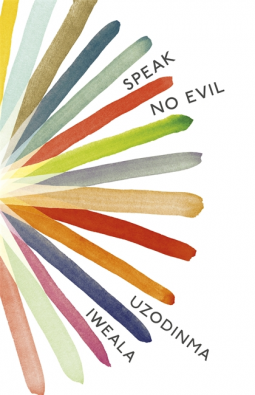
Speak No Evil is a powerful and gripping novel about speaking the truth and escaping being confined by others’ words. Niru is a top student and runner at his private school in Washington DC with a place at Harvard when he leaves. His Nigerian parents are attentive and protective, but Niru must keep a secret from them: he is gay. Only his best friend Meredith knows. But when his father founds out the truth, Niru faces brutal fallout and his friendship with Meredith suffers too. The aftereffects build things towards a terrible event that will be misunderstood by most people.
This is a novel about how sexuality and race intersect in a multitude of ways. Niru is a brilliant central character, trying to fight and appease his parents at once and to reconcile various aspects of his identity and personality. His friendship with Meredith forms an important part of the narrative and also a way of showing how even friends can not understand the problems caused by having conflicting elements of life and identity.
The narrative propels you forward and the book shows the violence surrounding people, particularly non-white LGBT people, and how it can erode a sense of self. This is a hard-hitting and relevant novel with a vividly depicted protagonist.
As an undergrad English student, I definitely lost time after searching online for lists of the deaths of famous writers. Some of them are quite weird or horribly fitting, others infamous or still blunt. In Deaths of the Poets, Paul Farley and Michael Symmons Roberts travel through the deaths of poets to consider the image of the poet as a dangerous vocation, where mortality seems to be the price paid for creation. They literally travel, indeed, around the death places of many major poets from Chatterton in the late eighteenth century to some who have died in the twenty-first, making the book part-travelogue, part literary history, and part-musing on being a poet.
It is a morbid whistle-stop tour in many ways, with the chapters organised by theme (and ‘theme’ is mostly related to their deaths) and thus jumping across time and place, particularly across the Atlantic. They concentrate on famous British and American poets writing in English, so their travelling features more than its fair share of New York (and a strange trip to my hometown thanks to John Clare). The book is, almost as a side effect, a useful way of gaining some knowledge of a lot of famous poets from the past two hundred years in a concise way (a bit like reading Wikipedia pages to find out how they died).
More than that, the authors are trying to examine the image of the dying poet, the post-Chatterton post-Romantic of a poet going out in an often troubled, possibly drunken blaze. They cover poets who famously died young—John Keats being high on the list, also war poets and others—and those who actually lived out a fairly long life. The answer to the question ‘is it a myth?’ is inconclusive by the end, but it was never really a scientific endeavour.
Deaths of the Poets is written by two poets and part of its work is a consideration of being a poet, in a historically-facing way. There are some offhand claims that poets don’t use Twitter or are somehow caught in the past, which is unfair to plenty of technology-embracing poets and poetry fans who also like old poetry. Perhaps it is difficult to reconcile the image of long-gone poets stuck in their time and modern, technological ways people can be still enjoying them (or Googling their deaths). The internet has made literary pilgrimages of the type the book’s authors embark on much easier: simply search online and you’ll find websites telling you the right house to stand outside or (this is very much from personal experience) exactly how to find John Thelwall’s grave in Bath.
The book has an underlying message about the humanness of the physical deaths of poets and the focus on details of their writing and non-writing lives that feels slightly at odds with its comments about poets today, an image which does seem to imply poetry writing is specific to an exclusive group of people stuck somewhat in the past. As someone who both loves a number of long-dead poets and has seen how trying to get into writing poetry and hoping for poems to be published is an off-putting and often inaccessible place, these moments felt a little off.
As with many books that cover a lot of different bits of literary history, this one works well as a primer on the stories of a lot of big name poets, with the opportunity for those who know more about a writer to get frustrated at elements of their presentation. It is a reminder of our fascination with the lives of these notable few and the almost mythical position they can hold in cultural consciousness, without consideration of greater depth. However, maybe it needs to demythologise the figure of the poet a little more. As it points out, they’re just people who lived and died like anyone else.
Messed up family story: The End of Loneliness by Benedict Wells (translated by Charlotte Collins)
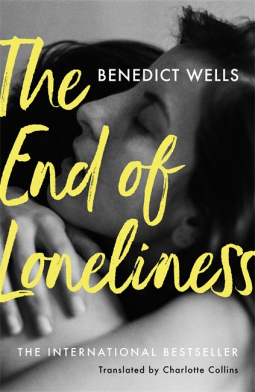
The End of Loneliness is a melancholy yet hopeful novel about family, loss, and the way life turns out. Jules and his siblings Marty and Liz have their lives shattered by the unexpected death of their parents and suddenly find themselves at a state-run boarding school. Their lives diverge as they deal with the past in different ways. Meanwhile, Jules meets a girl in his class, Alva, who has a mystery surrounding her, but doesn’t quite realise how he feels about her until it is too late. As they all grow up, their ties are tested and they cannot always escape the spectre of loss and loneliness.
The novel, translated into English from German, is set across Germany, France, and Switzerland as the narrative jumps time to show the fragmented lives of Jules and his brother and sister. The stories Wells tells are simple and emotional, showing the relentless ups and downs of live whether they are large or small. Jules is a lost man who came from a promising, vivacious child, and as the narrator he keeps the melancholy tone running throughout. Hindsight is used quite sparingly and thus to good effect, used as a reminder of the ways the future affects the past and how it is remembered.
The End of Loneliness is an understated novel that feels almost like a film at times, caught in snapshots of life. It has a particular sadness about it, though it isn’t necessarily a sad book, and it depicts a complex sibling relationship that gives its main characters a chance to strengthen their bonds as well as drift apart. It is likely to be a hidden gem for readers looking for literary fiction with a heartfelt narrative.
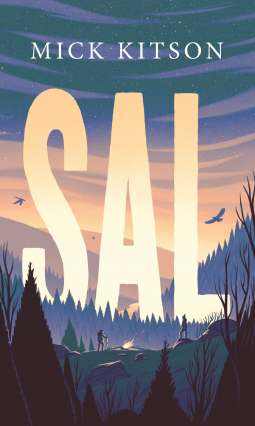
Engaging modern wilderness survival novel with heart: Sal by Mick Kitson
Sal is a touching and distinctive novel about two sisters trying to survive in rural Scotland. Sal prepared for a long time for her escape into the wilderness with her little sister Peppa: watching YouTube videos, reading the SAS survival handbook, and getting supplies and tools from Amazon using stolen cards. Robert, her mum’s abusive boyfriend, didn’t notice the missing cards. Now Sal must use her knowledge of building shelter and skinning rabbits to look after Peppa, now that she’s freed her sister from the dangers of Robert. Just as long as nobody works out where they are and wants to split them up.
The novel is written from Sal’s point of view and creates a vivid sense of her voice and thoughts. She is a character who shows the force of sibling love and protectiveness, but at the same time, Sal and Peppa aren’t cloying or annoying, but real siblings who tease each other and have different interests and strengths. The narrative is made up of the minutiae of their wilderness life as well as larger things that threaten to change it, and it provides a tense atmosphere at times, as it is clear it will be hard for them to go on as they are.
Sal has some similarities to Emma Donoghue’s Room though the premise is fairly opposite, as it uses a distinctive character voice to show a fraught situation become normal. Its writing style makes it easy to get invested in the sisters and it is certainly an enjoyable and gripping read, though a little slower at parts. It is deeply set in its Scottish location, both the wilderness and the scheme where Sal and Peppa escaped from, and is an exciting new novel with heart.
Escape the bleakness of February with some new books. Many of my choices are tackling some hard-hitting subjects in varied and interesting ways. Titles link to full reviews as usual.
The House of Impossible Beauties by Joseph Cassara – A raw novel about LGBT life in NYC from the 1970s to the 1990s that weaves together characters whilst placing them firmly in real LGBT history (a good pick for February being UK LGBT History Month).
The Hoarder by Jess Kidd – The story of a woman who works as a carer for an eccentric old man and is drawn into the mystery surrounding him in his weird house.
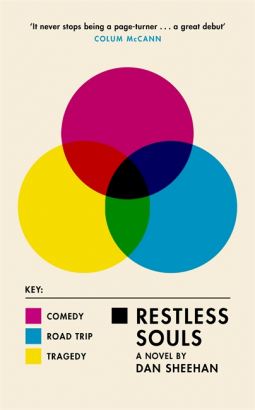
Restless Souls by Dan Sheehan – A road trip tragicomedy about friends dealing with PTSD, war, and traumatic childhood events, which often feels like a specific kind of indie film.
Home by Amanda Berriman – This novel about the housing crisis and sexual assault told from the point of view of a four-year-old is a tough but also sweet look at life using a distinctive voice.
Eat Up by Ruby Tandoh – A quirky book about food and eating, with a style that won’t suit everyone but will appeal to Tandoh’s many Twitter fans.
Restless Souls is a novel that combines a road trip narrative, PTSD treatment, tough upbringings in Dublin, loss, and the hope of unlikely cures as longtime friends Karl, Baz, and Tom try and work through their pasts and present. Tom’s desire to be a war correspondent led him to Sarajevo, but when he returned, he came back haunted and suffering from PTSD. His old friends Karl and Baz aren’t sure what to do, but they’re willing to try out an experimental clinic halfway round the world in California, and so the three of them depart Ireland to see if they can find a desperate solution to help Tom.
The novel feels similar to a certain kind of comedy-drama film where friends must confront their past in a road trip type setting. However, what makes Sheehan’s version of the story distinctive is his focus upon PTSD and suicide through Tom and through their childhood friend Gabriel, which makes the characters’ journey a necessity rather than an indulgence (as can often be the case in a road trip drama narrative). Elements of the genre are apparent—arguments, revelations, a lack of belief in the point of their journey—but the novel also does not only focus on the journey, but what happens whilst there and what happened when Tom was in Bosnia. The narrative moves at quite a fast pace but slows down for Karl’s remembrances, a style that may make it less engaging for some but which tends to suit the story.
Restless Souls mixes hard-hitting moments with light banter and reminiscence in a way that doesn’t undercut its serious themes, but gives a kind of black comedy often found in life.
The Wages of Sin is a historical mystery set in 1890s Edinburgh, about female medical students and murder in the city’s slums. Sarah Gilchrist left London, her family, and her scandal behind when she came to Scotland to study medicine, but a lot of people—including the male students and her own aunt and uncle—would prefer her to give up her studies and leave. When she finds the corpse of one of her patients on the dissecting table, Sarah is drawn into a world of brothels, opium, and danger, not even sure whether her own lecturers are connected to the death. At the same time, she is constantly battling the opinions of not only those who don’t think women should become doctors, but also her fellow female medical students who think her tarnished reputation might reflect badly on them.
This is an enjoyable gothic murder mystery that foregrounds the lives of female medical students and of prostitutes to show the troubles and dangers involved in being a Victorian woman. Sarah is a powerful protagonist, often flawed in her assumptions about situations but determined to follow her dream and to not let her past define her. Welsh writes a variety of characters and creates a vivid world, particularly in distinguishing the twelve female students and some of their stories in getting to be medical students. The narrative is tense and not just focused on solving the mystery of the death, but also on the life of Sarah and of many of the other characters in some way or another.
The Wages of Sin is a historical novel with a gothic vibe that has a blend of murder mystery, 1890s feminism, and varied characters. Its protagonist is allowed to be both flawed and likeable, and it won’t be surprising to see future novels about her and her exploits.
Eat Up—subtitled ‘Food, Appetite, and Eating What You Want’—is a manifesto in favour of food that combines personal anecdote, discussions of topics such as comfort food, mental health, dietary requirements, and cultural eating differences, and a sprinkling of recipes. Ruby Tandoh is known for being a contestant on Bake Off and talking about food, particularly on Twitter. In this book, she describes a lot of relatable material for many people, including the phenomenon of eating each Creme Egg like it is your last of the year, and also gives short accounts and information about major topics connected to food and eating such as eating disorders and supermarket production.
The content is interesting and the style is charming and quirky. For people who enjoy books about food, this may be something a bit different in that Tandoh tries not to prescribe or pass too much judgement. The proliferation of descriptions of food can get a bit much, especially if you’re not hungry when you read it, but this is a book full of affection that seeks to combine a love of food and eating with discussion of some important things to consider (and a nice little selection of recipes relating to the content).
Seeing as it is Lord Byron’s birthday, I thought I’d do a Byron-related post, as someone who has definitely never ever dressed up as him. He’s a poet mostly known for his bear and his sex life (well, and being a dick, but if there’s anything you learn from an English degree, it’s that so were most writers). My favourite burn is from an old All Souls exam paper that I remember finding online: ‘was Byron as funny as he thought he was?’ (depends on the day, for both him and the reader in question).
This post isn’t to give his life story. For that, read Fiona MacCarthy’s brilliant biography Byron: Life and Legend. And also bear in mind that this is someone who lived for 36 years, did a lot of self-mythologising and being fictionalised by other people, and then two hundred years of people changing, adding, believing, and a whole lot more with these stories.
There’s not even really space to talk about his poetry, partly due to how long some of it is. Byron uses a lot of stupid rhymes, dramatic imagery, and frankly flimsily-veiled references to his life (the fourth and final canto of Childe Harold’s Pilgrimage, a tour round Europe slash meditation on being a brooding Romantic figure, features Byron complaining people thought he was the titular pilgrim even though he’s sure he made it very certain that he’s not, not at all). Two of his short poems are famous and get in general anthologies (‘She Walks In Beauty’ and “So, We’ll Go No More A Roving”). His famous major works, the previously mentioned Childe Harold’s Pilgrimage and the sprawling and more comic Don Juan, are long and not necessarily easy to get into.
The short ‘Darkness’ is fantastic: dramatic and unnerving. If you know anything about the Romantic period (or are willing to read a lot of notes to get the references) then read the dedication to Don Juan, which has some of the best use of terrible rhymes as comic insults (on Coleridge: “Explaining metaphysics to the nation— / I wish he would explain his Explanation”). As it is his birthday, read ‘On This Day I Complete My Thirty-Sixth Year’ and remember he died three months later.
I could write many things about books relating to Byron/using him in a fictionalised way/referencing him for some reason or another, but I’ve already posted on here about Caroline Lamb’s Glenarvon (and its similarity to Twilight) and this has become quite long already. Instead, here’s a video to enjoy, the amazingly weird ‘Dread Poets’ Society’, aka Benjamin Zephaniah accidentally meets the Romantic poets on a train (I would’ve also linked to the Horrible Histories Byron parody about him not being a vampire just a pretentious poet, but sadly I can’t find it on YouTube).
The poem that got me into liking Byron (and, in fact, probably Romantic poetry as a whole) was having to read Childe Harold’s Pilgrimage in the holidays before we did the paper including the Romantics during my undergrad degree. Some of it is the way the poem sounds—the best lines are the ones you want to keep reciting aloud—and also just the way things are phrased and described was unlike what I’d seen before (“And thus the heart will break, yet brokenly live on”). The end of canto III has some of the most quotable bits all at once, so I’ll give a little bit to close on:
“I have loved not the world, nor the world me, — / But let us part fair foes”.
The House of Impossible Beauties is a moving and raw novel about gay and trans life in New York City in the late 1970s to the early 90s. It follows Angel, Venus, Daniel, and Juanito in the underground ball scene of Harlem as they come together and form the city’s first all-Latino house. The AIDS crisis, sex work, rejection, love, drugs, and a lot more feature in this novel that blends real life locations and characters inspired by elements of real people with fictional stories that are full of heart and fight for life.
Cassara moves between characters’ narratives to weave their personal tales and histories together before they even meet, in a way that does well to keep the reader invested in all of the main characters, who are flawed and desperate in the city and have all fled from something. The novel is about resilience and love—finding a new family as well as sex and romance—but also highlights how these cannot always protect people from the harsher sides of life. The ending of the book is quite heartbreaking, though the way it is written makes it seem part of life too.
The House of Impossible Beauties blends important LGBT history with moving and vibrant characters to show the ups and downs of life, particularly for its two central characters from the start, both trans women with complicated families who look for new kinds of family. The book isn’t a particularly happy read, but it gives a real sense of the city and the trans and gay culture that underpins it.
You must be logged in to post a comment.