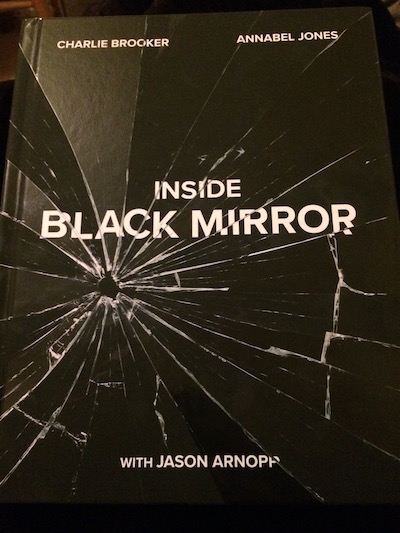
Inside Black Mirror by Charlie Brooker, Annabel Jones, and Jason Arnopp

Inside Black Mirror is, unsurprisingly, the story of TV series Black Mirror, told in oral history fashion by its creators, directors and actors amongst others. Due to the anthology format of the series, the book goes through each episode individually, with relevant people’s comments and discussion, and it is all held together by the voices of Charlie Brooker (creator, writer, executive producer etc) and Annabel Jones (co-show runner and executive producer). The writing is combined with stills and design images, which form a useful way of remembering key elements of the wildly differing episodes whilst reading the book.

TV tie-in books can be a bit naff. The sort of thing that make an easy gift. However, this one is less naff. Basically, it is very interesting, an in-depth look at both the process of creating an anthology show and fighting to get further series made, and how the cast and crew managed to actualise the weirdness that is Black Mirror. Brooker’s comments on the ideas and how plot lines evolved are particularly good, showing how much editing, rethinking, collaboration, and being forced by circumstance can make amazing narrative elements. It’s also worthwhile to read about the issues with getting Channel 4 to keep making episodes, for something that so notably moved to Netflix. Naturally, the book can veer towards self-congratulatory (all these famous actors wanting to be in it, oh look at the Emmys we won, etc, etc), but is kept from going too far due to Brooker’s trademark self-deprecation and the banter between him and Jones, who are longtime collaborators.

Seeing as the world has “gone a bit ‘Black Mirror'” (as Brooker says in the book), it’s nice to remember that the series is created as an entertaining art form, playing with genres and characters, rather than a collection of predictions we should all be worrying about.

Black Chalk by Christopher J. Yates

Part psychological game narrative with lashings of unreliability, part Secret History, and part all novels set at Oxford, Black Chalk is a tense and enjoyable book from my favourite subgenre, ‘group of friends in a closed off/privileged/academic setting Do Bad Things’. Six friends at Oxford University invent a game, a game for only six players that will span longer than just a few hours. Each week they must meet, play, and be given consequences, forfeits they must fulfil so as not to lose the game. As these get more humiliating and personal, it becomes clear it isn’t a game at all. And fourteen years later, the game still isn’t quite over.

Yates combines a plot that shows the underlying nastiness of people with a complex narrative structure, in which the story is being told but maybe not reliably, and maybe not just by who you think. This gives the tension an extra level, though the story isn’t as full of twists as might be assumed. As a literary thriller (and with characters falling into their own stereotypes), it can be possible to predict, but that doesn’t feel like a problem. In some ways, its similarity to The Secret History—in terms of psychological games, guilt, and narrators painting themselves in certain ways—defines it even though it is quite different, far more based around the tension of the game and an unfolding dual narrative than the kind of aesthetics and academia of Tartt’s novel. Its psychological element is probably one of its best traits, with a student game about humiliation slipping into something else.

Yates invents a kind of mirror Oxford, with fake colleges and streets and details changed or stolen, and in some ways the narrative involves a kind of mirror sense, of what happened to the characters and how they changed due to the game, how they might’ve been different without it. Black Chalk doesn’t always quite live up to its promise, but it is a gripping and atmospheric book that manages to combine a narrator with a questionable grip on reality with a tale of student recklessness and human darkness.

The Odyssey by Homer, translated by Emily Wilson

Odyssey cover

Here’s a quick review of Emily Wilson’s Odyssey translation, which I finished reading today (Christmas Day) after a Loot (the Joe Orton play) reread as an alternative to a Carry On film:

A hugely engaging translation of Homer’s Odyssey that works both as a readable version for those who’ve never picked it up, and an interesting take for those who have. As someone who has only read some of the big names in Greek and Roman literature in translation (thanks to one undergrad module and an enjoyment of Anne Carson), I found the introduction a good way in to the text, and Wilson’s book summaries and light notes highlighted interesting bits of wordplay and Greek mythology. In particular, her focus on assumptions made by previous translations,  one example being gendered insults, makes this an engaging act of translation that will hopefully pave the way for more translations of famous classical texts that open up some of this debate for a wide audience and question what has been usually translated before.

I read the new paperback edition, which still has the beautiful cover of the hardback plus uncut edges for decorative style, making both a good gift or treat as it’s a book you’ll want to keep.

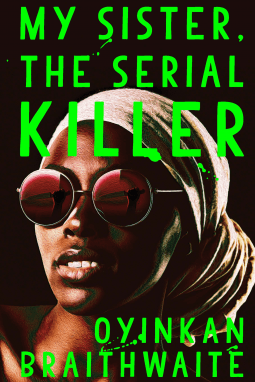
My Sister, The Serial Killer by Oyinkan Braithwaite

My Sister, The Serial Killer cover

My Sister, the Serial Killer is a dark comedy about the bond between siblings. Korede is a nurse in Lagos and lives with her sister, Ayoola, and her mother. Her mother thinks Ayoola can do no wrong, but Korede knows otherwise. When her dinner is interrupted by a call from Ayoola saying a third boyfriend of hers is dead and she needs help clearing up, Korede goes to help. However, when Ayoola meets the cute doctor from Korede’s work, Korede has to think about whether she can continue to cover up her sister’s crimes.

This is a brilliantly pitched novel, a black comedy that delves into the darkness of Korede and Ayoola’s past and their father whilst also creating this image of Ayoola, the clothes-designing, social media loving serial killer sister. The chapters are short and the pace fast, like a thriller or a high stakes sitcom. Due to Ayoola targeting her boyfriends, the book will probably get comparisons with novels like Gone Girl, but it is far more focused on the sisters than on any of the men, on their bond than on revenge or anger at any man.

Clever and unputdownable, this is one to recommend to everyone who likes black comedy or wants a story about sisters with a bit of a twist. It could clearly be adapted for film or TV, but it works very well as a short, incendiary book that plays with the expectations of sibling rivalry and hiding crimes.

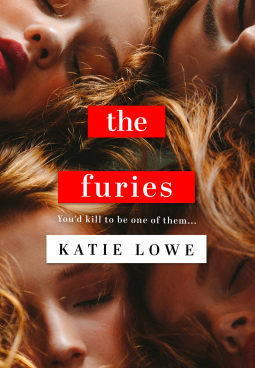
The Furies by Katie Lowe

The Furies cover

The Furies is a dark literary thriller about friendship and the artistic history of female power and revenge. After an accident claims the lives of her father and sister, Violet ends up at a private girls’ school for her A Levels, Elm Hollow Academy. It has a grisly history of witchcraft and Violet isn’t sure she cares about being there, but then she’s drawn into the world of Robin, a charismatic girl with red hair, and her friends Grace and Alex. Together they take extra classes with Annabel, an art teacher who follows the tradition of teaching a few students about mythology, art, and literature. The strange power she describes starts to sound like it could be real, and just when it does, the body of a missing former student and member of Annabel’s study group is found on campus.

This is The Secret History crossed with a girls’ school in the 90s and a sharp gothic edge. It follows a classic kind of structure for stories about a group in an isolated environment (here, a private school in a run down seaside town), with the narrator lonely and easily obsessed with their new friends. The narrative style is distinctive, causing purposeful confusion at times as Violet narrates with hindsight and leaving elements ambiguous. Notably, the witchcraft history—and the apparent summoning of the Furies of Greek mythology—is more of an inspiration and catalyst than the entire plot, and the story itself follows the tangles of friendship, violence, and revenge. 

Violet and Robin’s friendship is crucial and well-written, tinged by Violet’s perspective and her lack of self-awareness around it. Grace and Alex are also great characters, though it is a little frustrating that Violet often ignores them in favour of Robin, meaning they don’t get as much exploration as they could. Otherwise, Violet’s single-mindedness works well to create an atmosphere in which she doesn’t notice much else going on outside of their circle, intoxicated by what they’re doing and by drink and drugs.

The Furies may seem at first like it could be a young adult novel about toxic friendships, it turns into something much darker, in which the academic view of the teacher is essentially turned into reality by the students who aren’t so captivated by the art and literature as by the meaning. This gives it a different edge to other reference-laden literary thrillers, as it is the drinking, dancing, and revenge that means most to the teenage protagonists. This is a book that fans of The Secret History, Heathers, and the new Netflix reboot of Sabrina (preferably of all three) will likely devour.

Death in Paris by Emilia Bernhard

Death in Paris is a charming murder mystery novel set in Paris, in which two best friends turn  amateur sleuths when a former boyfriend of one of them drowns in a bowl of soup. When Rachel hears that Edgar Bowen is dead, she is reminded of their time together many years ago and how he helped her grow as a person. The details she hears about his death don’t add up: surely Edgar, who previously hated rosé, wasn’t drinking it with his soup? With her best friend Magda, Rachel starts to delve into the case, as the police won’t listen to her suspicions, but amateur sleuthing isn’t as easy as TV makes it appear.

This is a classic kind of mystery novel that is suffused with references to fictional detectives and literature. Rachel and Magda are trying to think like the protagonists of mystery stories, but also finding out how difficult it can be to get information out of people and lie where necessary to get them to talk. Their friendship is a key element of the book: it is their partnership that allows them to think over the facts and fictions of Edgar’s death. They’re clearly depicted as friends who, as two Americans who’ve made their lives in Paris, have been supporting each other for a long time and are genuinely there no matter what. Another major part of the book and related to them being Americans is its depiction of Paris: this is a novel that invites you to take a trip down the streets of Paris, trying to give the reader a sense of living there too.

Ideal for murder mystery fans and especially anyone looking for female led fiction that prizes friendship highly, Death in Paris is a fun read that would go well with a glass of red wine (or, in my case, homemade French onion soup).

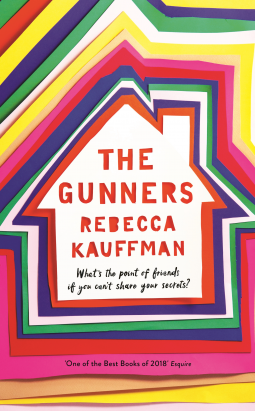
The Gunners by Rebecca Kauffman

The Gunners is a meditative novel that looks at friendship, life difficulties, and difference. Mikey, Sam, Lynn, Alice, Jimmy and Sally were childhood friends, united by their relative freedom as latchkey kids and the abandoned house they made their den. When they were sixteen, Sally disappeared from their lives, no longer their friend seemingly without reason. Years later, they reunite for the first time for her funeral, and it turns out there were plenty of unspoken secrets about the time when Sally left.

The premise of The Gunners doesn’t sound particularly original, but the novel itself is quirky and thoughtful. It goes down routes that might not be expected, showing the differences in friendships and the ways in which people’s lives diverge and come together. It has a real focus on friendship that isn’t undercut as it can be in other novels and it really engages with the weirdness of drifting away from a group you were very close with and then coming back together. The ensemble cast is handled well, with the narrative looking into the childhood of each character alongside the present day.

A novel about friendship and hardship that keeps the focus on the friends, The Gunners was an enjoyable read, if at times as elusive with the past narrative as the characters were.

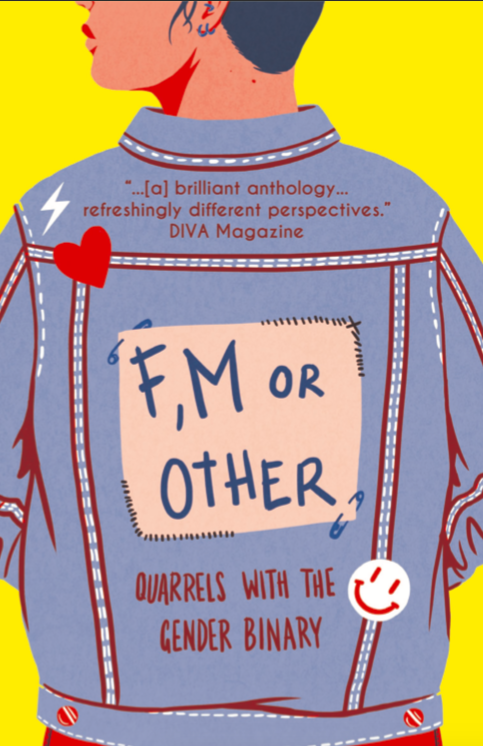
F, M or Other: Quarrels with the Gender Binary Volume 1 by Knight Errant Press

image

F, M or Other is an anthology of pieces that address variance in gender and identity, across poetry, prose, essays, and graphic storytelling. This variation in form and in genre and style means that as well as a range of personal and fiction experiences, it allows for a range of taste in written material too. Readers will likely have personal connections to various pieces in different ways, and not feel connected to others. This feels important in a book that is trying to question thinking about gender and present a multiplicity of answers to questions about gender.

Personal highlights were much of the poetry—especially those that made literary references, including Greek mythology and Hemingway (the latter surprisingly effective), and the opening short poem about the gender box on forms—a prose piece about drag transformation with a difference, and some gripping personal essays and letters that explore defining yourself and expanding definitions of larger concepts such as ‘womanhood’ or ‘masculinity’. Other people might prefer some of the speculative fiction or in depth essays, or find personal connections with other pieces. F, M or Other seems to be saying that it is okay to think about gender in different ways and relate to the anthology in different ways.

Angry, heartwarming, and funny, this is an anthology which can both help people begin to grapple with questions of how gender is lived and discussed and also provide relatable content and different viewpoints to people who’ve already started thinking about gender in theirs and others’ lives. It is worth picking up and giving a go, however complicated or uncomplicated your current relationship to gender is. As this is only volume 1, it will be interesting to see the range of pieces in the second volume and what experiences they depict and styles used within them.

[get it from https://knighterrantpress.com/]

Rewriting the wanderer: Melmoth by Sarah Perry

Melmoth is Sarah Perry’s reimagining of Charles Maturin’s 1820 gothic novel Melmoth the Wanderer. Helen Franklin lives in Prague and spends every day haunted by something she did twenty years ago. When one of her only friends hands her a strange manuscript that talks about a mysterious woman in black who walks the earth witnessing the guilty, Helen is drawn into confronting her past whilst uncovering the stories of those who have met this woman. However, Helen can’t help have the feeling that someone is watching her too.

Perry transforms most of Maturin’s book into something different, but keeps the sense of many stories about Melmoth, using inset narratives like Maturin. It must be said, however, that Perry’s are far more engaging and less digressive, with a strong framing narrative alongside the character of Melmoth (something which Melmoth the Wanderer doesn’t have to the same extent). Helen’s mysterious past is a classic gothic plot device brought into the modern day and the lives of the other characters she meets (and those in the inset narratives she reads about) show how everyone carries kinds of guilt with them.

The Prague setting again gives it a classic gothic feel, with descriptions of atmospheric architecture and also of tourists and tourist traps that give an updated sense of foreignness and being out of place, something which often features in gothic literature. The narrative voice is distinctive and strange, fitting perfectly with what it turns out it is doing. Melmoth is less about scariness than about the darkness of moral complexity and escaping the consequences of guilt.

Characters in Melmoth refer to Maturin’s earlier novel as a book nobody reads, and as someone who has read Melmoth the Wanderer, Sarah Perry’s version is a far more enjoyable read. It grapples with moral questions and ideas of redemption whilst using gothic tropes—particularly stories within stories—to create an atmospheric novel that does away with the devil aspect of Maturin’s story to focus on the darkness within humanity.

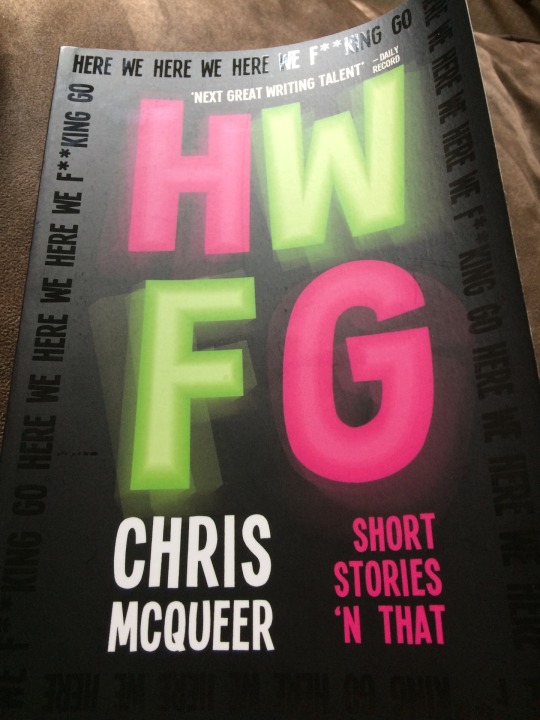
HWFG by Chris McQueer

There’s ways of showing your follow-up book is going harder than the first, and then there’s calling it Here We Fucking Go. HWFG is the darker sibling to Hings, McQueer’s first collection of short stories, in which some big personalities from the first book have new adventures and the ‘drink, drugs, and knees on backward’ (my own summary) of Hings become the meaning of Brexit, the horrible truth about moths, and fighting Kim Jong-Un.

Hings was hilarious and uncanny; HWFG takes the black comedy up a few notches, with serial killer haircuts and the threat of a giant squid looming over two warring friends. Mostly the stories are very short with great payoffs, making them easy to dip into, and there are a few longer ones that may be my favourites. ‘The Biggest Riddy’ feels like those That Mitchell and Webb Look sketches about The Event with a dash of Black Mirror and is expertly pitched to be dystopian and weird. ‘Leathered’ combines the horror of the modern political world with the idea of the ramifications of social media, all wrapped up in a ridiculous narrative.

HWFG may be better than Hings, with gleeful black comedy and a sense throughout the book that the real world is terrible and unbelievable, so short stories might as well be too. Buy it for everyone you know who likes weird dark comedy or leave it in your bathroom for guests to pick up on the toilet and be freaked out by.

[cheers to 404 Ink for the proof copy, and you can preorder HWFG here]