Sisters in Arms by Shida Bazyar

Sisters in Arms is a novel about three friends, racism, and expectations. Kasih, our narrator, is reunited with childhood best friends Hani and Saya as someone they knew before is getting married. Having grown up in Germany dealing with racism, being poor, and being women, the three have different views on struggles and injustice, but now Saya is obsessed with the trial of right-wing terrorists and the actions of one night might change everything.

This is a very distinctive novel, told through an unreliable first person narrator, Kasih, who uses this position to play around with assumptions and expectations, as well as imagining scenes that didn’t happen in the past and moving between the ‘present’ action and what happens when they were younger. The effect is Kasih telling you stories, moving between stories, rather than a straightforward narrative, and complicates ideas of a single narrative, a single version of the truth. Add to this the fact that Kasih imagines what other people do or think, and you get a book that forces you to consider the fact it is impossible to really know other people’s perspectives.

Due to the style of narration and meandering structure of the book, it is less about the plot and what happens as what might’ve happened, what you think happened, and what happened before. Kasih and Saya are particularly distinctive characters, and through a constructed, subjective viewpoint you see how they are both flawed and full of their own assumptions, as well as having deal with so many of other people’s assumptions, micro-aggressions, and lack of understanding. It might not feel like a satisfying story to some people, as the ending leaves a decent amount of ambiguity, but it isn’t a book that is just about some events happening.

Sisters in Arms is a book with a pointed playfulness in its relation to the reader, drawing them in and making its own assumptions about them. People drawn in by the blurb and title’s promise of friendship might find it a different book to what they might expect, as it is a book about someone telling a story, and about why people tell stories to protect themselves, though the friendship is central to it.

Blog Tour: The Seven Imperfect Rules of Elvira Carr by Frances Maynard

#MeetElviraCarr

Today I’m hosting the blog tour for The Seven Imperfect Rules of Elvira Carr by Frances Maynard. Check out my review below and the other dates on the tour for more Elvira Carr content!

The Seven Imperfect Rules of Elvira Carr is a memorable and touching novel about being neuroatypical and having to adjust to the unpredictability of life. Elvira is twenty-seven and lives with her mother since her father—who was often away on trips—passed away. She has a “Condition” and her mother has a number of rules to keep Elvira safe. But when her mother has a stroke and has to go into a care home, Elvira has to make her own rules and find ways to navigate the world whilst uncovering the secrets of her father’s past and making new friends, both animal and human.

The narrative is similar to the recent novel Eleanor Oliphant is Completely Fine in the way it follows the experiences of a narrator with a specific worldview as they must find ways to go beyond their usual boundaries, drawing the reader into their viewpoints through first person narration and the character’s rationality. Unlike Eleanor Oliphant, however, Maynard specifically focuses on autism and the way in which Elvira is treated by others is a major theme in the book.

Elvira is an endearing narrator, who wants to be good to those around her and knows she must try and understand how the “NormalTypicals” interact if she is to get along with them. Despite the focus on her rules, the book tries to highlight that she does not need to change who she is, just understand other people can be different to her and may need different considerations. Unlike the maths genius autistic stereotype often played out in the media, her special interests are biscuits and animals and she is good at being organised, though her mother did not always allow her to do this herself. The point at which Elvira discovers she can talk online with other autistic women who share her experiences is one of its most memorable points, showing the importance of sharing stories and giving everyone the chance to realise they are not alone.

The Seven Imperfect Rules of Elvira Carr is an important novel and a great read, with elements of mystery, discovering friendship, and working out how to be independent in the world. It depicts elements of neuroatypicality, particularly in women, not always shown in popular culture, whilst also being a story about a character discovering the secrets about their parents once grown up.

Blog tour: The Book of Luce by L. R. Fredericks

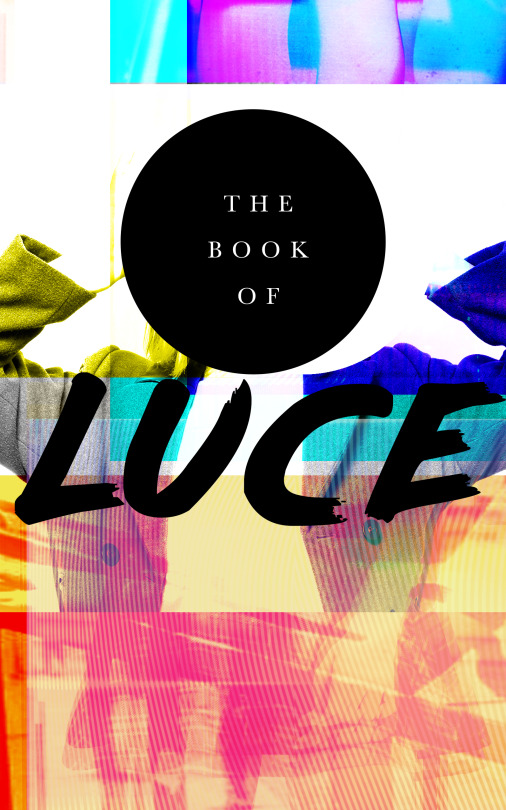
The Book of Luce by L. R. Fredericks

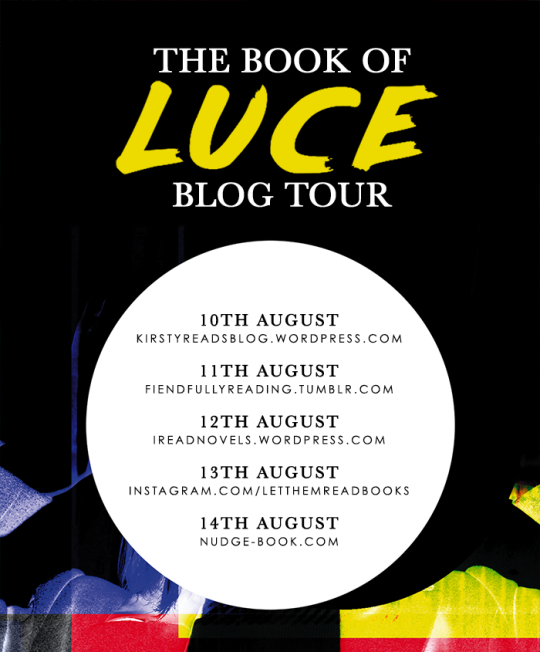
Today I’m hosting the Book of Luce blog tour here on my blog, so here’s my review, and check below for the other dates on the tour!

image

The Book of Luce is a mysterious novel, filled with questions and uncertainties, as the identity of a godlike rock star and artist is unfurled by someone closely tied into their story. The narrator and metafictional author is known only by the pseudonym Chimera Obscura, and is attempting to tell the truth of Luce, a messianic figure who did legendary secret gigs as part of Luce and the Photons. Luce is genderless, maybe beyond human, a wanderer. Uncovering the secrets surrounding Luce seems to draw anyone into a dangerous game of dark agents and conspiracies. Regardless, this is the book to try and explain Luce to the world.

Fredericks has combined an intricate web of ingredients—rock music, art, mythology, religion, philosophy, LSD, demonology—to create an unusual and strangely intriguing novel, a kind of literary mystery that somehow can be reminiscent of House of Leaves, David Bowie, and Stranger Things amongst other things. The meta-book structure works well to frame the narrator’s quest and to leave many things unexplained, with a notably elusive narrator withholding information despite the claim to be uncovering the truth. It is long, but moves between so many episodes that it doesn’t really drag, and is broken up with short snippets from the narrator in the present day writing the book about Luce, giving further tiny clues as to where the Luce narrative is going.

The story starts in 1967 and there is plenty of Sixties and early Seventies culture infused into the novel, with plenty of acid taking, looking for hallucinogenic meaning, and conspiracy, but really the Sixties rock star element is only one part of this epic novel. It moves around the globe and through different art forms, identities, and philosophies as the narrator tracks different characters, under various names and personas. The mystery at the heart of the novel—who is Luce really—is also its meaning, and readers can take as many interpretations of this question as is said the various characters do. The overall effect is a kind of counterculture metafictional journey with a dangerous, almost thriller-like atmosphere at times, and a fourth-wall-breaking literary puzzle feel at others.

The Book of Luce is a clever and impressive novel, a drug-infused meta story that never wants to reveal too much or make definitive judgements or even descriptions. This style and story will not appeal to everyone (particularly the ambiguity of much of the book may annoy some), but certainly anyone who likes metafictional puzzles or acid trip conspiracy mixed with philosophy will find something interesting about the novel, which questions the need for definites whilst building up a mythology of its own.

image

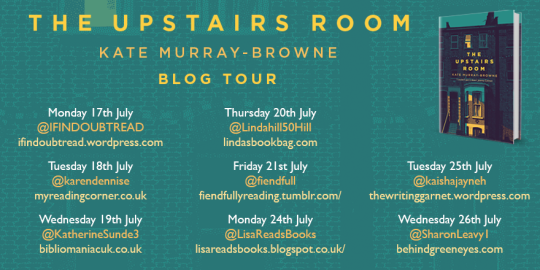
Blog tour: The Upstairs Room

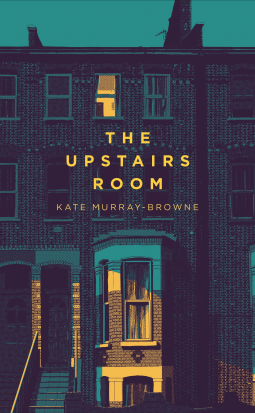
The Upstairs Room by Kate Murray-Browne

The Upstairs Room is both a tense mystery and a gripping novel about happiness and knowing when something isn’t working. When Eleanor and Richard move to a Victorian house in London Fields with their two young daughters, it is meant to be a great opportunity for them, even though the cost of potential renovations mean they have to take a lodger, the at-a-loose-end Zoe. Eleanor quickly thinks there is something wrong with the house, something connected with the mysterious wall scribblings in the upstairs room done by an ‘Emily’.

The novel is a character-driven mystery, focusing on the lives of Eleanor, Richard, and Zoe and their discontentments both in and outside of the house. That doesn’t mean that Murray-Browne does not keep up the tension, with eerie moments and an unnerving combination of obvious and unexplainable mysteries throughout. Problems like a lack of communication and the perils of the London housing market exacerbate issues as they attempt to live in the house that Eleanor comes to believe doesn’t want her there. The style is easy to devour and the combination of characters and ambiguous mystery make it a good book to sit down with and be drawn into.

In some ways, The Upstairs Room is like a slow burn horror film, the kind focused on the happiness and lives of the characters as much as the potential mystery and threat, or The Shining rewritten for the modern London housing crisis. It will also appeal to anyone who enjoys reading about character relationships and life uncertainty, with a background mystery plot and not too much overt revelation, but rather an understated approach to the genre.