
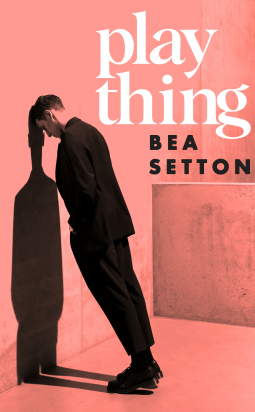
Plaything is a novel about obsession, image and cruelty, as a Cambridge PhD student becomes entangled with a closed-off man with an ever-present ex-girlfriend. Anna moves to Cambridge to start her PhD, and soon finds herself top in her lab and with new close friends, even though she’s haunted by a chance car accident when she arrived. She meets Caden, a physiotherapist, and is enthralled, but she also feels the echoes of his ex-girlfriend, who he will barely talk about, and Anna starts to become obsessed, as the Covid lockdown removes other distractions from her life.
Told from Anna’s first person perspective, the narrative unfolds with a languid menace, an undercurrent of violence and a strange sense of unknowing because Anna doesn’t really know much about Caden, even when you think she should. The actual plot is pretty straightforward, with a twist or two at the end that leave unanswered questions about guilt and blame that do seem to tie together some of the themes of the book in their unanswered nature. The book is full of unlikeable characters and that makes it compelling in wondering what they will do (and why, as there’s a few random plot/character details that come out of nowhere and don’t really go anywhere).
The narrative explicitly states it is not a Cambridge novel nor a Covid novel at various points, but what is quite interesting is how it is those things. Though the book is at its heart about a relationship between two people who weren’t really connected to each other and about a clever twentysomething woman who should have it all but falls into a hazy world of obsession, it is also—despite Anna’s protestations—a look at Cambridge and Covid. The Cambridge element, not just the setting but in Anna’s position as a PhD scientist and elements like the cruelty of lab animals, catalyses the obsession, making her someone who needs to know, and it is interesting to think how much this is crucial to the narrative. At the same time, the book depicts the onset of Covid and the first lockdown, and that too feels crucial to the obsession and threat, and the choices people made during that time.
The central plot with Anna, Caden, and Caden’s ex-girlfriend is perhaps less interesting to me than a lot of the other elements of the book, but I enjoyed the atmosphere of it and its occasional forays into questions about what violence people inflict on others. I find it funny how much it was explicitly not dark academia, when for me, it’s the sort of thing dark academia should be, exploring how particular academic environments might cause violence and harm, and it’s interesting to see this kind of narrative focused on a scientist.
 Fiendfully Reading
You must be logged in to post a comment.